
Maximize Property Cash Flow: Smart Tax Strategies
/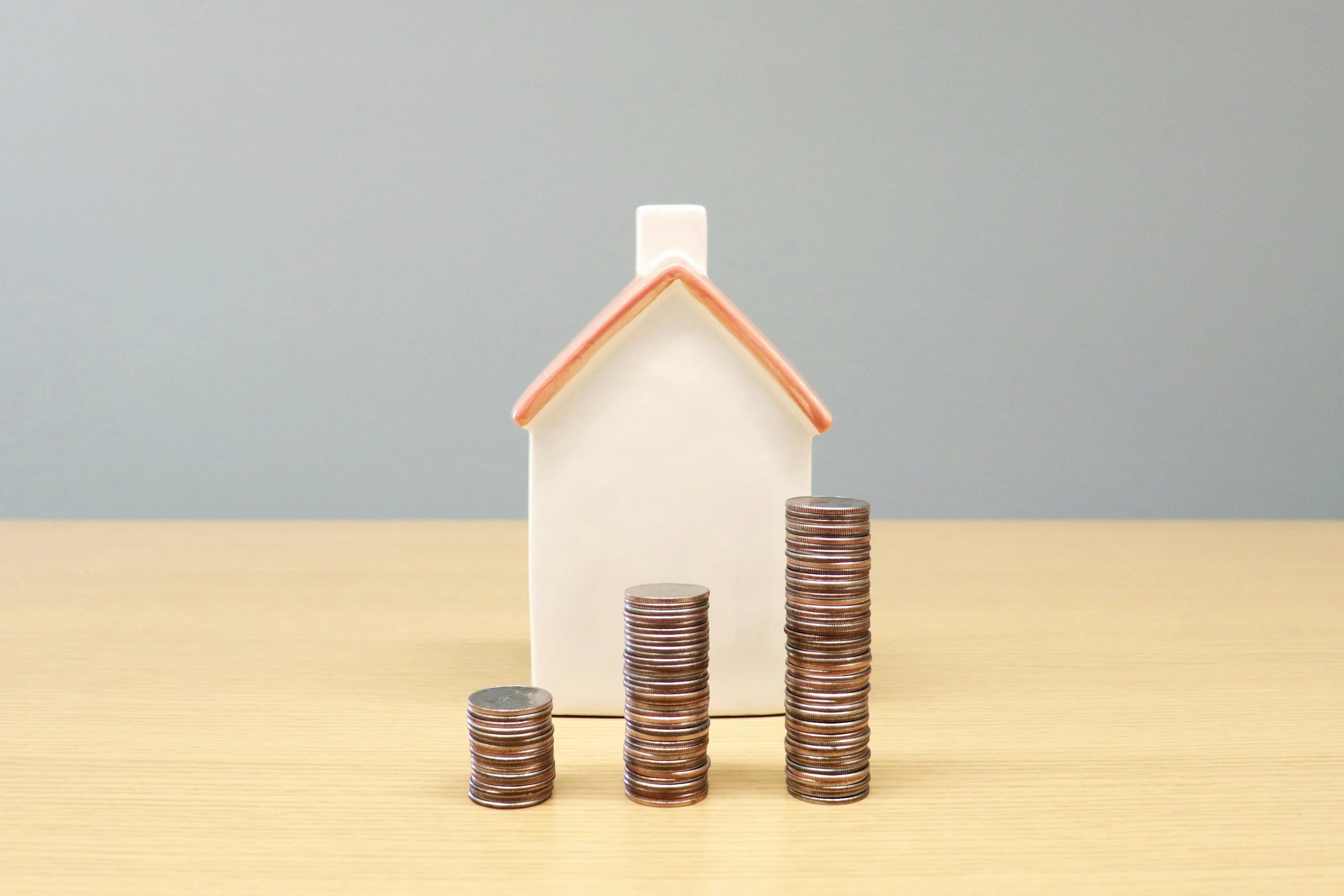
Photo by Artful Homes on Unsplash
Successful real estate investing involves more than just collecting rent. It's about generating sustainable positive cash flow. This metric is the true heartbeat of a rental property portfolio, showing the difference between profitable ventures and those that just break even. While finding the right tenants and maintaining your property are essential, smart investors know that the biggest gains often come from strategic financial management, especially through smart tax planning.
Understanding and using advanced tax strategies can significantly increase your net returns without needing to raise rents or buy new properties. These methods focus on optimizing deductions and using government incentives to your advantage, turning tax liabilities into opportunities for reinvestment and growth. Looking beyond the basic numbers helps you unlock significant financial potential hidden within your current assets.
Understanding Property Cash Flow
Cash flow is the net amount of money moving into and out of your investment. For a rental property, you calculate it by taking your gross rental income, subtracting all operating expenses to get your Net Operating Income (NOI), and then subtracting your debt service (mortgage payments). A positive number means you have money left over at the end of the month, while a negative number means you're spending more than you're earning.
Many new investors focus on property appreciation, but cash flow is a more critical sign of a healthy investment. Appreciation is speculative and only becomes real when you sell, while cash flow provides immediate money and funds your operations. To maximize the flow of cash, you need to manage several key variables:
Rental Income: The total rent collected from tenants.
Vacancy Loss: The income you lose when a unit is empty.
Operating Expenses: Costs to run the property, including property taxes, insurance, maintenance, repairs, property management fees, and utilities.
Debt Service: Principal and interest payments on your mortgage.
A detailed look at these components shows where your money is going and points out ways to improve. Lowering expenses or optimizing your loan can have just as much impact as increasing rent, often with less hassle. Ultimately, strong cash flow not only covers your costs but also builds a financial cushion for unexpected repairs and creates capital for future investments.
Beyond Rental Income
While raising rent is the most direct way to boost income, it's not always practical or smart. A more sustainable approach involves two main strategies: reducing operating expenses and optimizing your financing. These adjustments can significantly improve your bottom line without affecting your tenants.
Start by thoroughly checking your operating expenses. Are you paying too much for insurance? Get new quotes annually, as rates and coverage options change. Look at your utility bills; simple upgrades like LED lighting, low-flow fixtures, or a smart thermostat can lead to noticeable long-term savings. Similarly, proactive maintenance is almost always cheaper than waiting for repairs. A regular schedule for inspecting HVAC systems, plumbing, and the roof can prevent costly emergencies later on.
Next, evaluate your property's financing. If you've owned the property for several years or if interest rates have dropped since you got your loan, refinancing could be a powerful move. A lower interest rate directly reduces your monthly debt service, instantly increasing your cash flow. You might also consider a cash-out refinance to pull equity from the property for other investments, though this will increase your loan balance. The goal is to make sure your debt structure is as efficient as possible, matching your overall investment goals.
Accelerating Depreciation for Tax Savings
Depreciation is one of the most powerful, yet often underused, tax strategies for real estate investors. The IRS lets you deduct a portion of your property's cost each year to account for wear and tear. For residential rental properties, this is typically done evenly over 27.5 years. While this standard deduction lowers your taxable income, a more aggressive approach called accelerated depreciation can provide a much larger financial benefit sooner.
You achieve this through a cost segregation study. A cost segregation study is a detailed engineering analysis that identifies and reclassifies property components into shorter depreciation periods. Instead of depreciating everything over 27.5 years (or 39 years for commercial property), certain assets can be depreciated over 5, 7, or 15 years. Examples include:
5-Year Property: Carpeting, appliances, and decorative lighting.
7-Year Property: Office furniture and fixtures.
15-Year Property: Land improvements like landscaping, fences, and parking lots.
Accelerating the depreciation of these assets helps you take much larger tax deductions in the early years of owning a property. This significantly reduces your taxable income and, as a result, your tax liability, freeing up substantial cash flow. While some property managers use modern tech like AI image generation tools for marketing materials, the most impactful financial analysis relies on these specialized, engineering-based studies to identify short-life assets. Without this detailed breakdown, you cannot legally or accurately depreciate property components over these shorter timeframes. The result is a major infusion of cash that you can use to pay down debt, fund renovations, or acquire another property.
Bonus Depreciation Explained
Bonus depreciation takes the idea of accelerated depreciation even further, offering an even more immediate tax benefit. This tax code provision allows investors to immediately deduct a large percentage of the cost of eligible assets in the year they are placed in service, instead of writing them off over several years. For 2024, bonus depreciation allows for a 60% deduction, a figure that is scheduled to decrease in subsequent years.
The assets that qualify for bonus depreciation generally have a recovery period of 20 years or less. This is where a cost segregation study becomes invaluable. The study identifies the very assets, like carpeting, fixtures, and landscaping, that are eligible for this powerful tax incentive. Without a study, the entire building is classified as long-term property (27.5 or 39 years) and does not qualify.
Consider this example: You buy a rental property for $1 million. A cost segregation study identifies $200,000 worth of 5-year and 15-year assets. Under the 2024 bonus depreciation rules, you can immediately deduct 60% of that cost, which is $120,000, in the first year. This massive deduction can dramatically lower your taxable income, potentially creating a paper loss that can offset other income. This strategy is particularly effective for high-income investors looking to reduce their overall tax burden and supercharge their investment returns.
Evaluating Your Property's Potential
While these tax strategies are powerful, they aren't a one-size-fits-all solution. Deciding whether a cost segregation study and bonus depreciation make sense for your portfolio depends on several factors. The strategy works best for properties bought or significantly improved recently, as the benefits are concentrated in the early years of ownership.
Generally, properties with a purchase price of $500,000 or more are good candidates, as the tax savings will easily outweigh the cost of the engineering study. Both commercial and residential rental properties are eligible. The investor's own tax situation is also a key consideration. High-income earners who can benefit most from large deductions are excellent candidates. For those in lower tax brackets or with fewer passive income gains to offset, the immediate benefit might be less pronounced, though still valuable over time.
The best first step is to talk to a qualified professional who specializes in this area. They can perform a preliminary analysis to estimate the potential tax savings for your specific property. This evaluation will help you make an informed decision and is a crucial part of maximizing real estate tax-efficiency. Being proactive helps you ensure you're not leaving money on the table and are using every available tool to build wealth through your investments.
Ultimately, shifting your focus from simply collecting rent to actively managing your property's financial performance is what separates average investors from exceptional ones. Implementing smart tax strategies like accelerated and bonus depreciation helps you unlock significant cash flow and accelerate your journey toward financial independence.